



Beyond the report: the lasting value of structured environmental data
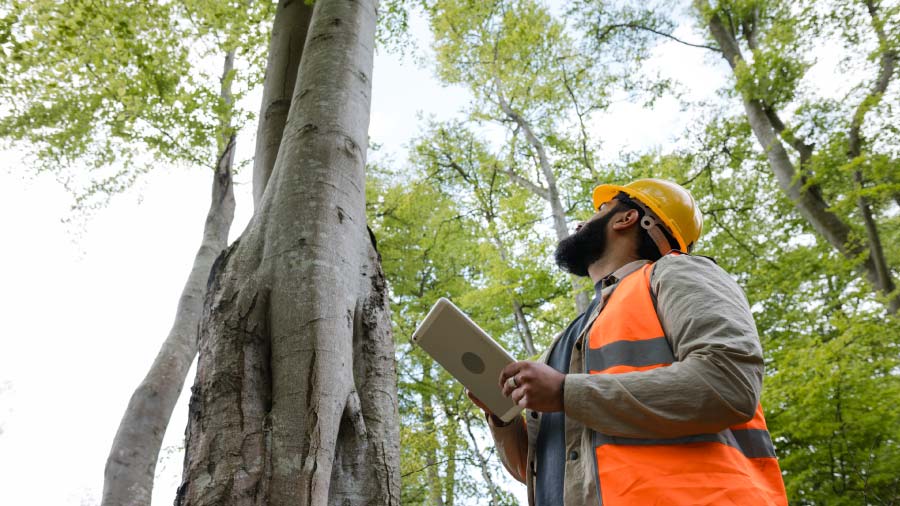

After Fulcrum acquired Wildnote, we began planning how to move our customers and their environmental project data to the Fulcrum platform. That meant deciding what information to bring with them.
We initially expected to bring over active projects as well as any older ones customers specifically wanted to keep. It seemed like a reasonable place to start: get people set up with the work they were doing now, and let them choose what else they needed.
Then I started thinking about what we would be leaving behind.
For example, a completed construction project could become relevant again if a question came up about conditions on the site. Years of project records could show a company which types of work it took on most, how those projects unfolded, and who worked on them. And field observations collected over time could reveal how conditions on the ground changed.
Leaving all of that behind didn’t sit right, so we changed course: now all of the project data will come over.
Rethinking the migration also made me think environmental organizations should give more thought to the useful life of the data behind a report after delivery.
Environmental professionals collect information to meet immediate needs like documenting conditions, completing an assessment, supporting a permit, or delivering a report. It’s understandable that the deliverable gets most of the attention. But the decisions made during collection influence what anyone can do with the information afterward.
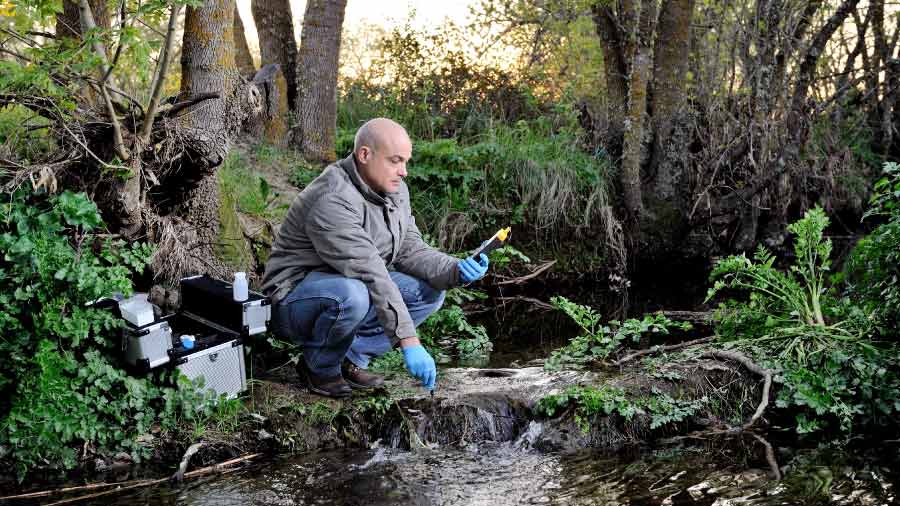
Structured data means recording information in defined fields with consistent meanings. For a species observation, that might include the species name, observation date, location, and count, with a shared understanding of what each entry represents. Instead of searching through paragraphs to discover those details, someone can retrieve and compare them directly.
Pick lists are one of the simplest ways to get there. Customers regularly ask us to add them to their forms so activities get recorded the same way every time. They’re thinking ahead to reporting and analysis: if everyone describes the same activity differently, someone has to reconcile those descriptions before the organization can use them together.
But consistency is only part of the quality equation. After all, a neatly organized record can still contain an incorrect observation, and a pick list can omit a valid answer. Good structure leaves room for context, uncertainty, and professional judgment, the details that let someone outside the original team use a record accurately years later.
Wetland delineation is a good example. Determining whether an area qualifies as a wetland involves standardized calculations. When software handles that math, professionals can spend their time evaluating the results instead of computing them. And when a result looks wrong, being able to see the rules behind the calculation helps them figure out whether the software got it wrong or someone interpreted the requirement differently.
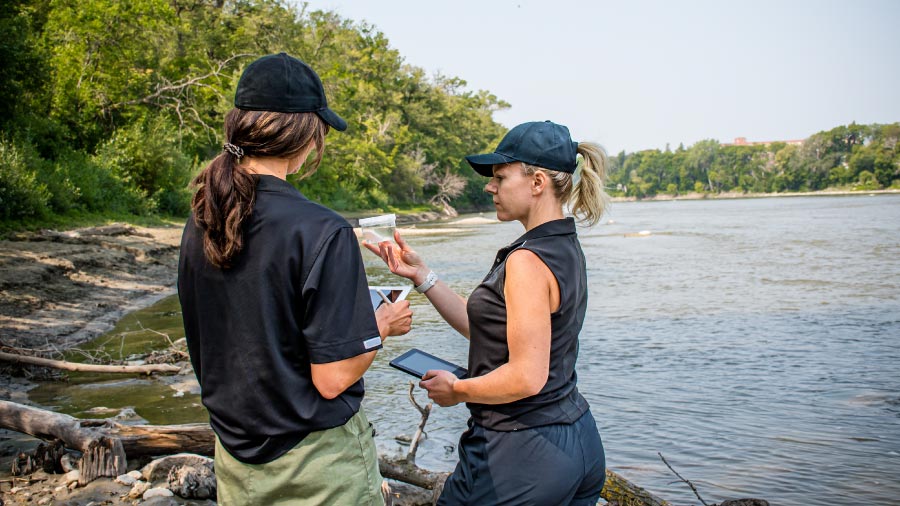
Either way, the final call stays with the people who know the site. When teams define their fields, keep choices consistent, and keep the reasoning behind each result visible, a record can serve the next team as well as it served the first.
Moving records off paper and into digital systems is a big step, and plenty of environmental organizations have already taken it. Digital records can still end up hard to use, though, when they sit in separate projects or inside finished documents.
Take one of our customers, a team that collects fisheries data in California’s Central Valley rivers. By comparing observations year over year, they can tell whether efforts to improve salmon and steelhead populations are working. Their data lived in Wildnote as structured records, with a separate project for each year. Because Wildnote offered no easy way to compare data across projects, the team exported everything to another database for analysis.
Many environmental organizations run into a version of the same problem with PDF reports. A report’s tables may follow a clear layout, but comparing them with other reports means someone has to pull the data back out first. Pulling it out usually means copying or re-keying values by hand and then checking each one, and every manual step adds time and another chance for error.
Both examples point to the same lesson: teams need to preserve field data, structure it, and keep it accessible for analysis. Without all three, the data stops being useful once the team delivers the report.
Completed projects hold a detailed picture of how your organization works. Look across a few years of them, and patterns start to emerge: the kinds of work you take on most, how many people usually contribute, and how long projects run from first field observation to last.
Project records won’t explain everything: collection dates alone don’t show labor hours, and a longer timeline doesn’t prove inefficiency. Still, the records can reveal patterns worth investigating and give leaders something more concrete than memory to start from.
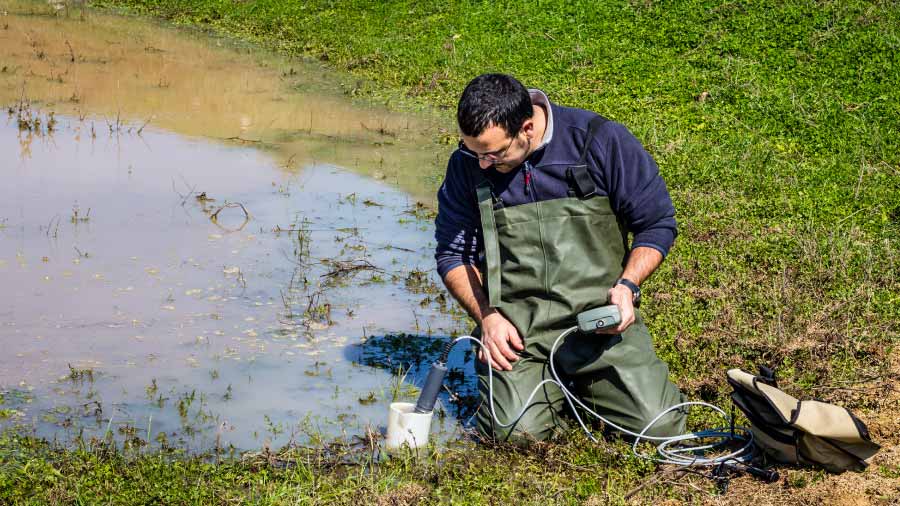
Putting field records to work for leadership is one reason I’m glad our Wildnote customers are moving to Fulcrum. When field data flows into the systems where planning happens, everyday fieldwork becomes something the whole organization can learn from.
Whatever the organization learns, the field teams who collect the data carry much of the effort behind it. Every question we ask them to answer should honor that effort by helping their work or supporting a meaningful decision.
From the start, our goal at Wildnote was to use structured environmental data to add to what we know about the natural world. Human beings are going to keep developing, but we can do it more wisely when we see how our decisions affect other species and aquatic resources. Observations collected over time could help us check our assumptions about those effects and decide what to investigate next.
Every observation your team collects can keep answering questions long after the report is delivered. Fulcrum, the Field Operations Management platform, gives environmental teams defined fields, consistent pick lists, and one place for records from every project and year, so past work stays ready for the next question.
Request a free custom demo to see how Fulcrum fits your forms, your projects, and your data.