
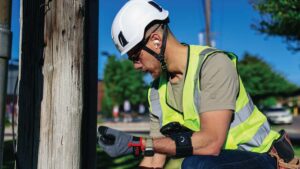


Fulcrum and Overstory, working the same problem from both ends
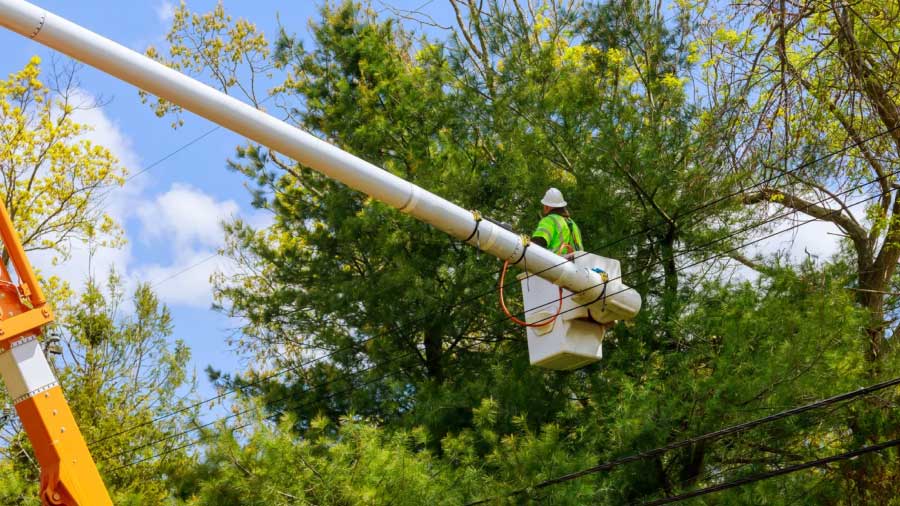

Vegetation is the most common cause of power outages in the U.S., accounting for more than 20% of incidents, and vegetation management is the number one line item on most utilities’ annual budgets. Spending at that scale comes with a reasonable question attached: what did the year’s work change. Field organizations run good programs and document them carefully, and answering that question still means inferring a good deal.
Our new partnership with utility vegetation risk intelligence platform Overstory gives that question a direct answer. Overstory’s analysis of lidar and other remote sensing data flows into Fulcrum as field assignments. Utility teams complete the work, and what they confirm on the ground flows back to Overstory as corrected data. Each trip around the loop gives the next assessment a firmer footing than the last one had.
Fulcrum and Overstory each own half of this problem. Connecting them means a completed job in one system now updates the risk picture in the other.
The most accurate account of a utility’s network comes from the people who go out and look at it. A field team confirms what the plan assumed. It adjusts when the site disagrees, and records what changed once the work is done. Fulcrum holds all of it together as a single record of the job, with the safety documentation and the photos and the conditions in one place rather than three.
Getting that record where it needs to go is the other half of the work, and Fulcrum already pushes completed jobs into the systems utilities run on.
Overstory analyzes vegetation, wildfire, and asset risk across a utility’s network. They then turn that analysis into programs a utility can defend and act on. Six of the 10 largest utilities in North America rely on them for that picture. The analysis that flagged a span is exactly where a field team’s findings pay off, which is what makes it a natural destination for the record.
Overstory determines where the risk sits and what deserves attention. Fulcrum runs the work that follows and produces the record of what happened. Putting the two together means a utility gets both halves from one connected workflow instead of two.
The clearest way to see how the Fulcrum and Overstory partnership works is to follow a single span of line between two poles, from the risk assessment through to the verified work. he video below shows that handoff in both systems.
A high-risk span gets flagged in Overstory, and the utility decides what mitigation it calls for. The assignment arrives in Fulcrum with the safety requirements, the quality checks, and the documentation standards already attached to it.
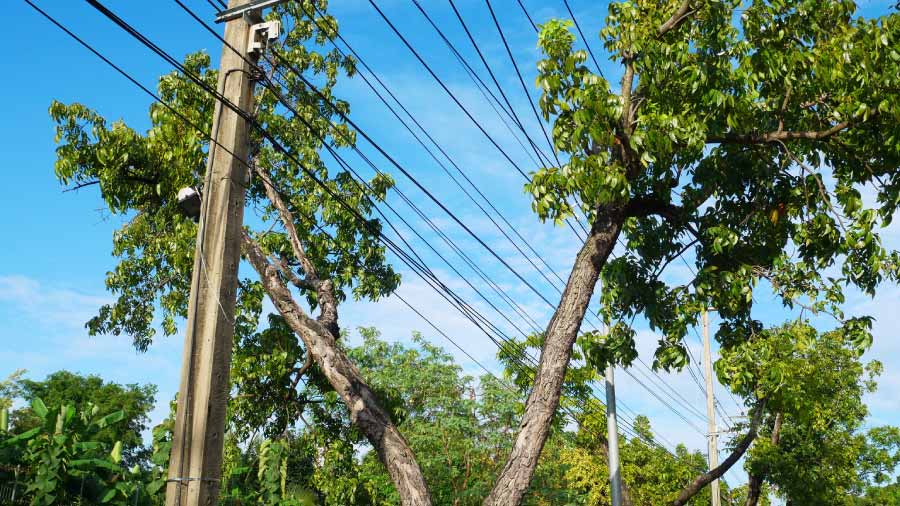
What happens next is where the record starts. A field team reaches the span and confirms whether the site matches what the plan assumed. The work gets done, the result gets photographed, and the conditions they found get written down at the moment they’re standing there, which is the only moment that account is fully accurate.
The record then goes back to Overstory. The span reads as treated on the network picture, and what the field team found shapes how the analysis reads comparable sites the next time around. One record has made the full trip from a flag on a map, out to the field, and back into the model that put it on the list.
Running the cycle across a full program changes what a utility can show for a year’s work. The current risk picture stays current, span by span, because completed work updates it. Every finished job traces back to the assessed risk that prompted it, so a year of work reads as a record of risk retired. Next year’s case gets built on a picture that already accounts for the work just finished.
The pressure on utilities to demonstrate that their spending reduces real risk keeps increasing, and field teams have been holding the evidence all along. Our job has always been getting that evidence out of the truck and into a form the rest of the organization can use. With Overstory, it now reaches the analysis that decides where the next assignment goes.