



The role of field data in root cause analysis and CAPA process
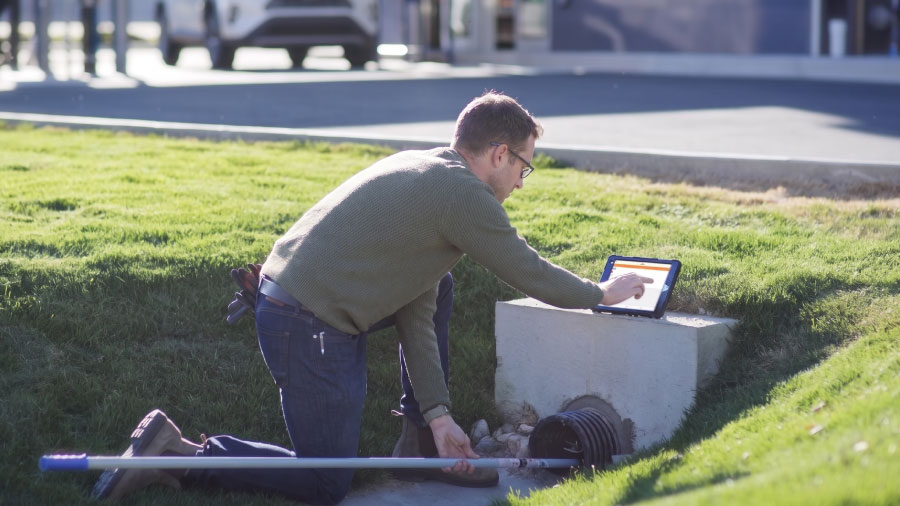

A corrective action can be signed off on schedule, and the same finding can still turn up at the next inspection. In the corrective and preventive action (CAPA) process, the trouble often starts at the evidence step, when a root cause gets built from memory and scattered photos. A stormwater example walks through the 5 whys and shows how Fulcrum keeps field evidence attached from the first finding to the final check.
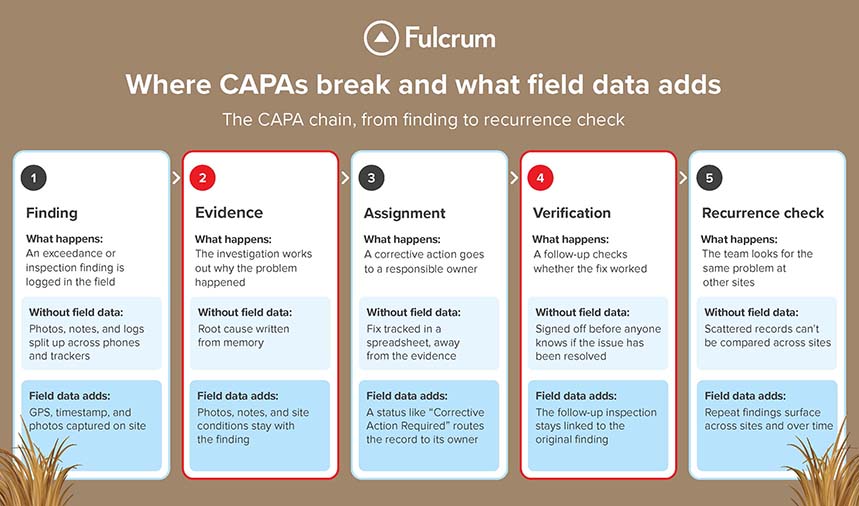
Few things sting a compliance manager like a finding that comes back after its corrective action was signed and closed. The fix went in, the paperwork looked clean, and the same problem turned up at the next inspection anyway. When that happens, the trouble likely started well upstream, with a root cause written from memory, shorthand, and a photo with no location. The investigation landed on a cause that fit the story, with nothing on record to prove it. Everything downstream in the corrective and preventive action (CAPA) process then rested on that guess.
Field data is the missing input in root cause analysis, and its absence weakens every step after the finding. The evidence thins out at predictable points between the first finding and the effectiveness check. Each gap has a fix. Inspectors capture field data on site and keep it with the finding from start to finish. Verification and prevention then get the same footing as the investigation.
ISO 14001, the international standard for environmental management systems, sets out the core of that process, much as ISO 9001 does for a quality management system. The standard requires organizations to determine the causes of a nonconformity, act on them, and review whether the corrective action worked. Determining the cause comes first, and it can only draw on what was recorded when the problem turned up.
In a fragmented inspection setup, that first record splits up across several places soon after the inspector leaves. Photos sit on an inspector’s phone, field notes live in a PDF or notebook, and the corrective action log runs in an Excel tracker. Email threads carry the context that never made it into the form, and shared drives hold whatever survived the trip back to the office. The same handoff is where environmental data management breaks down between field and office, and root cause analysis inherits every gap.
When an investigator sits down to work out what happened, the facts have to be reassembled from those scattered fragments. Whatever the reassembly misses stays missing, and the investigation fills the gaps with assumptions about what the inspector probably saw.
An investigation built that way runs into trouble in review or audit. ISO 14001 requires organizations to keep records and supporting documentation of each nonconformity, the actions taken, and the results. Auditors, and regulators reviewing a notice-of-violation response, check the stated cause against those records. When the cause rests on guesswork, nothing in them backs it up.
The 5 whys method in root cause analysis is designed to push past that guesswork. It works backward from a problem by asking why it happened, then why that happened. Each answer needs an observation behind it, and once the record runs out, the questions stop.
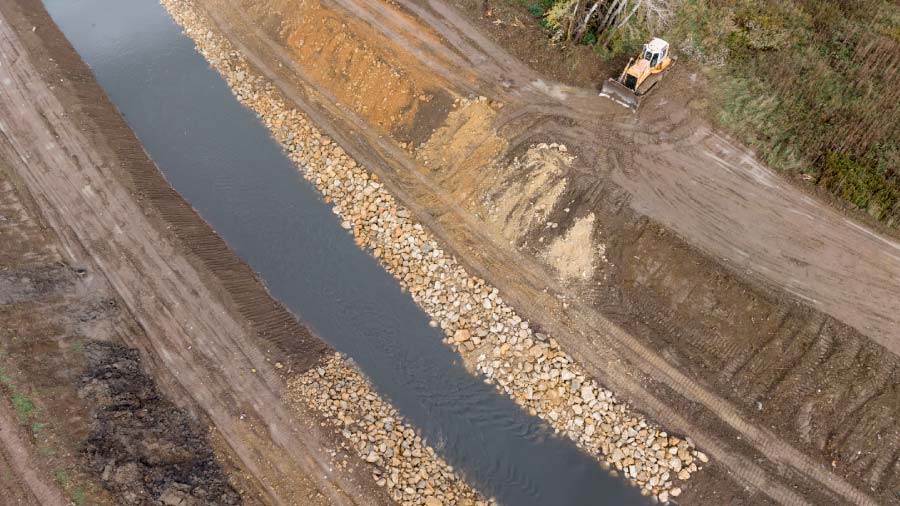
Construction stormwater offers clear root cause analysis examples of that limit. A turbidity exceedance at a site with a stormwater pollution prevention plan (SWPPP) has a short list of usual suspects. Washington’s Department of Ecology lists where to look after one, from uncovered soil and unprotected slopes to ripped or sagging silt fence.

At one of those sites, a sample comes back above the turbidity benchmark in its state permit after a storm. Muddy runoff answers the first why: sediment escaped the site. For the second why, the SWPPP inspection note says the silt fence was down. The note gives no reason, so the third why ends in a guess: bad installation. The crew resets the fence, and the next heavy rain brings the same exceedance.
Had the inspector logged rainfall totals, a GPS point at the breach, and photos of the fence line, the 5 whys could have kept going past that guess. Photos of soil washed out from under the fence answer the third why with undercutting. The GPS point answers the fourth why by placing the breach at the foot of the slope. Heavy rain sent runoff into the fence as one concentrated stream. Nothing upslope diverted that flow, and that gap answers the fifth why. The corrective action becomes a diversion upslope, and the next storm sample tests the fix.
Both investigations started from the same exceedance, yet only the one with a full record found the real cause. What made that record full was context the inspector recorded, from rainfall totals to equipment condition and recent site changes. A root cause analysis report template gives inspectors a consistent way to capture that context at every finding. Getting that context down before the inspector leaves the site is what lets an investigation get past a guess.
Once the investigation names a cause, the corrective action plan turns it into work someone has to do, with clear implementation steps. EPA guidance on environmental management systems says the plan should spell out who is responsible and when the work is due. Tracked in a spreadsheet or CAPA form, the plan is finished the moment the owner signs off.
EPA Region 7’s corrective action procedure treats that sign-off as the first of two checks, adding a later one on whether the action solved the problem. The later check needs fresh evidence from the same spot, compared with the photos and notes from the original inspection. If those originals are still sitting on an inspector’s phone, there’s no before and after to compare.
Preventive action, which aims to control risks before they become findings, runs into the same problem across a wider set of records. A recurrence check compares inspections from different sites and different months, and scattered photos and notes can’t be compared that way. The effectiveness check and the recurrence check both depend on that evidence surviving the trip from the field.
Holding evidence together from the first inspection to the follow-up has to start where the inspector is standing. Fulcrum is the platform built for that job in environmental compliance programs. Inspectors capture each finding and its evidence in forms built for their program requirements. From there, the record flows into the system the team already uses, such as EHS CAPA software, a quality management system (QMS), incident investigation software, or corrective action tracking software. Teams build their own forms and routing to fit how their quality and compliance programs run.
The CAPA process starts at the finding, recorded in a structured form with required fields for every condition the investigation will need. Each record carries GPS coordinates and a timestamp for full traceability, and inspectors attach photo, video, or voice evidence on the spot. All of it works offline, so a remediation site or a rural stormwater outfall with no signal still produces a complete record.
Because the photos, notes, and site conditions stay attached to the finding, the investigator writing the root cause works from the original record. Contributing factors noted in the field are already there when the investigation starts, with nothing to reconstruct from memory.
Assigning the fix happens in the same record, so nothing gets copied into a separate tracker or document. When an inspector sets a status such as “Corrective Action Required,” the record routes to the responsible owner with a real-time notification. The owner opens the same record the inspector created, with the original evidence attached.
From the first inspection to the owner’s notification, one record carries the finding, its evidence, and the investigation built on it. The owner starts the fix knowing what the inspector saw, and the same record is ready for the checks that come after the work is done.
After the owner finishes the work, two questions remain: whether the fix worked, and whether the problem is turning up anywhere else. In Fulcrum, the first runs as a follow-up inspection linked to the original finding, so new photos and conditions land beside the originals. Reviewers can see whether the problem stopped without hunting for the first set of evidence.

The second question widens the view to every other site the team inspects. A compliance lead can ask Fulcrum Insights in plain language which sites keep logging the same issue. The answer draws on inspections across every app and project.
Each inspection already carries its location, so the sites Insights flags can go straight onto a map. Laid out that way, they show whether the problem clusters around one location, one crew, or one condition. Wherever it clusters, the team has its target for preventive action and risk control, and the next round of inspections there shows whether the change worked.
Once the team knows the fix worked and has checked every other site for the same problem, the final sign-off has proof behind it. The follow-up inspection shows the problem stopped, and the map points to where it could come back.
A corrective action can only fix the cause an investigation names, and the investigation can only name what the evidence shows. When that evidence is scattered or rebuilt from memory, the fix aims at a guess, and the same finding comes back. Field data captured at the finding and kept with it gives every later step of the CAPA process something real to work from.
Fulcrum gives environmental compliance and quality teams that kind of record, from the first finding through the follow-up that confirms the fix. When the next inspection comes around, the findings that were signed off have the evidence to show they stayed fixed.
A free custom demo shows how Fulcrum would carry your findings from the first inspection through verification and the recurrence check. Request yours and see your own environmental compliance workflows built around evidence that stays with every finding.
What is the CAPA process?
The corrective and preventive action (CAPA) process is how organizations investigate a problem, whether a quality issue or a compliance finding,, fix its cause, and keep it from returning. ISO 14001, the international standard for environmental management systems, requires organizations to determine the causes of a nonconformity, act on them, and review whether the corrective action worked.
What is root cause analysis in environmental compliance?
Root cause analysis in environmental compliance is the investigation that works back from a finding to the condition that caused it. It draws on inspection records such as photos, field notes, GPS locations, and site conditions captured when the problem turned up.
How does the 5 whys method work?
The 5 whys method in root cause analysis works backward from a problem by asking why it happened, then why that happened. Each answer needs an observation behind it, so the method stops wherever the inspection record runs out.
Why do environmental corrective actions fail to stop repeat findings?
An environmental corrective action fails to stop a repeat finding when the root cause behind it was a guess. Scattered inspection photos, notes, and site conditions leave investigators filling gaps with assumptions. The fix then targets the wrong cause, and the same finding returns at the next inspection.
What should environmental inspectors capture to support root cause analysis?
Environmental inspectors supporting root cause analysis should capture photos, notes, GPS coordinates, timestamps, and site conditions at the moment of a finding. Contributing factors such as rainfall totals, equipment condition, and recent site changes give investigators enough to explain an exceedance or violation.
What does an environmental corrective action plan include?
An environmental corrective action plan turns the cause of a compliance finding into assigned work for a responsible owner. EPA guidance on environmental management systems says the plan should spell out who is responsible and when the work is due.
What is an effectiveness check in an environmental CAPA process?
An effectiveness check in an environmental CAPA process confirms whether a corrective action solved a compliance problem, as a separate step from confirming the work was done. The check needs fresh field evidence from the same site location, compared with photos and notes from the original inspection.
How does preventive action differ from corrective action in environmental compliance?
In environmental compliance, corrective action fixes the cause of a finding at the site where it was found. Preventive action checks other sites for the same problem, comparing inspections across locations and months to catch it before it becomes a new finding.
Why do spreadsheets and CAPA forms make verifying environmental corrective actions harder?
A spreadsheet or CAPA form records the owner’s sign-off on an environmental corrective action and the date it happened. When photos and notes from the original site inspection stay on an inspector’s phone, the compliance team has no before and after to compare for an effectiveness check or audit.
How does Fulcrum support an environmental CAPA process?
Fulcrum, the Field Operations Management platform, captures each environmental compliance finding with photos, video, voice notes, GPS coordinates, and timestamps, even offline. The record routes to the responsible owner and links to a follow-up inspection for verification. It also flows into the EHS CAPA software or corrective action tracking software a team already uses. Fulcrum Insights and mapped findings help compliance leads see which sites keep logging the same issue.