



Fixing the gap between your water audit and field data
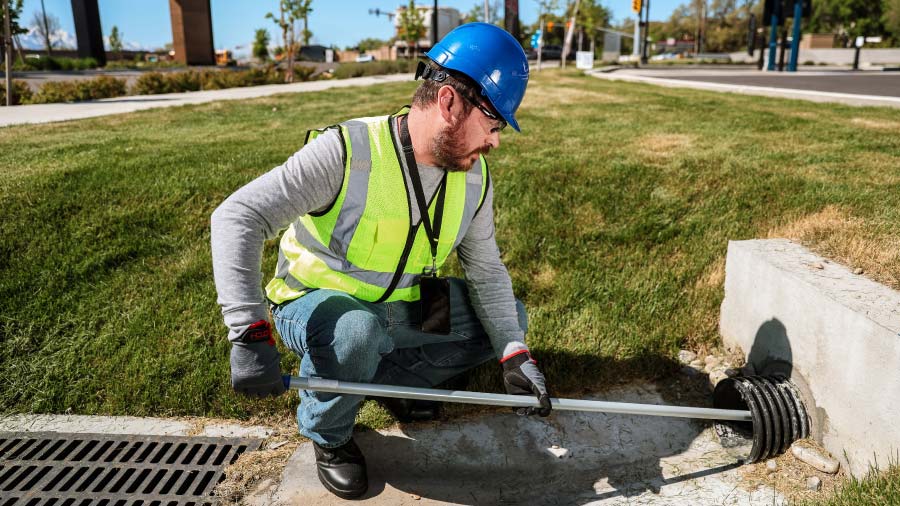

A water audit is only as trustworthy as the field records behind it, from leak surveys to meter tests. When those records sit in separate spreadsheets and apps, the number that reaches the utility director can rest on rough estimates. Connecting fieldwork to the water audit through a Field Operations Management platform gives directors a number solid enough to plan around while improving the consistency of water auditing.
Key insights
Plenty of water loss managers suspect their non-revenue water (NRW) figure is softer than it looks. The soft spots usually trace back to field records scattered across separate logs, spreadsheets, and apps. By the time the figure reaches the utility director, it may be a rough estimate dressed as a calculation.
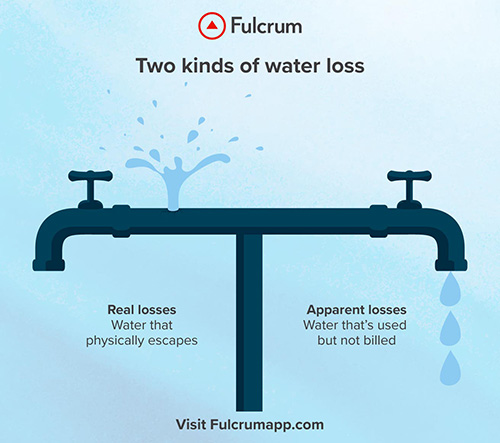
Real losses — water that physically leaves the system, such as main breaks, leaks, and storage overflows — take the hardest hit, since the AWWA water audit calculates them as whatever remains after apparent losses (everything else, including meter inaccuracy and fraud) come out. An error on the apparent side shifts the real side by the same amount, and a misclassified gallon sends a budget toward the wrong program. Validity grades show where the inputs run weakest, and meter test records drive several of those grades directly.
DMA night flow, leak survey, and valve exercising records supply the evidence that confirms or challenges the audit’s result. Field teams produce those records, and with them the clearest view of how water usage and losses are measured across the system. Fixing the NRW figure starts with the field programs that feed the water audit methodology.
The field evidence behind water auditing comes from several programs, each with its own tools and record-keeping: district metered area (DMA) monitoring, leak survey, valve exercising, and meter testing. Each program can run on a separate system and schedule.
DMA monitoring measures the water flowing into a zone overnight, when customer use typically hits its low point. Flow at that hour gives the utility its clearest read on water usage and how much the zone is leaking. One boundary valve left open after a repair lets water slip between zones and throws off the reading for both.
Valve exercising programs keep boundary and isolation valves working, and their records show which valves were checked. Kept in a paper log or a standalone app, those records stay out of reach at audit time. Meter test results matter too, since inaccurate customer meters show up in the audit as lost revenue.
Leak surveys carry a scheduling problem, since teams have to cover each route and listen for leaks. A hidden leak runs until someone finds it, so every extra month between surveys adds to the water lost. When survey dates follow crew availability, coverage turns uneven and the audit’s leak figure has less evidence behind it.
Records may sit in an old maintenance system, a few spreadsheets, and a map that none of them feed. Pulling it all together each audit season turns into a once-a-year job of reconstructing what happened.
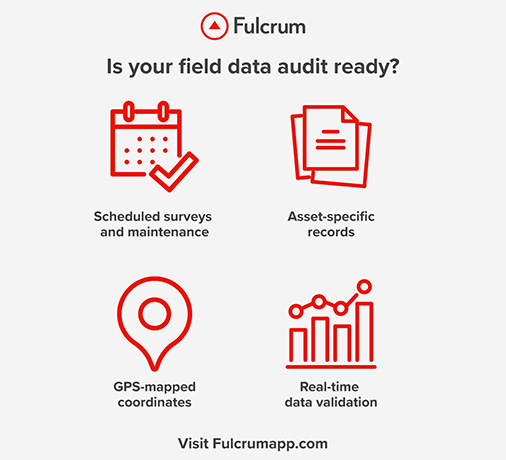
A utility director stands on firmer ground when each field-based input traces back to a dated, located record. Audit-ready field data tends to share four qualities that make those records easy to trace.
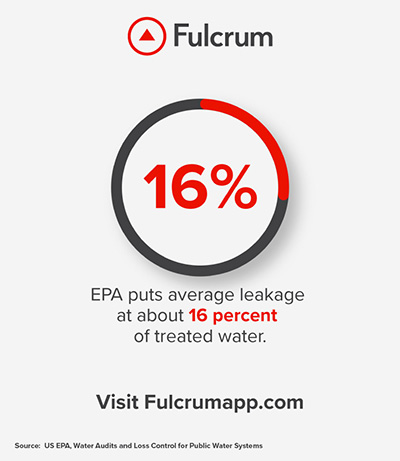
The top-down audit can help managers decide where to concentrate field effort first. EPA guidance frames the audit as the first step in a three-step loss control process, followed by intervention and then evaluation. DMAs with the highest night flow earn the tightest survey cadence, and the evaluation step shows whether that attention paid off.
EPA notes that utilities often move to a more detailed approach after completing several top-down audits. The agency’s guidance describes a bottom-up audit that verifies loss data for individual components and discrete areas. Field records tied to specific zones and assets supply the kind of evidence a bottom-up audit needs.
Utilities that already run these programs have the fieldwork in place, so the gap sits in how that work gets recorded. A Field Operations Management (FOM) platform builds most of those qualities into each record as the technician fills it out.
For leak work, Fulcrum’s Water Leak Detection Survey app gives field teams a ready-made starting point. Teams record each leak’s location and details on site, and the app calculates total water losses. The app works offline, and records captured in a dead zone sync to the office once the device reconnects.

Missouri engineering firm TREKK Design Group uses Fulcrum’s required fields and automatic location tagging to confirm inspectors reach the right asset. Paired with ArcGIS Online and TREKK’s own 3D imaging camera, Fulcrum helped the firm nearly double its field progress. Reinspection trips over missing or unclear data, once a weekly chore, have all but disappeared.
Utility directors want an audit number that holds steady no matter who runs the calculation. A running field record gets them closer, because the field figures come with the surveys, repairs, and tests behind them. When leak losses drop, the director can point to the work that made it happen.
The same record pays off long before audit season, starting with the budget conversation. Budget requests for main replacement carry more weight when they cite zones with documented, recurring leaks. Operations and asset managers can also spot which programs are slipping while there’s still time to fix them.
See the platform behind the process. Fulcrum gives water utilities one system for capturing, locating, and syncing every field record that feeds an audit, from leak surveys to valve exercising to meter testing. Read the data sheet: Powering water utility innovation